ARTICLE
The Most Important Part is Passion
Nobu Matsuhisa on Passion, Simplicity, and the Philosophy Behind Nobu
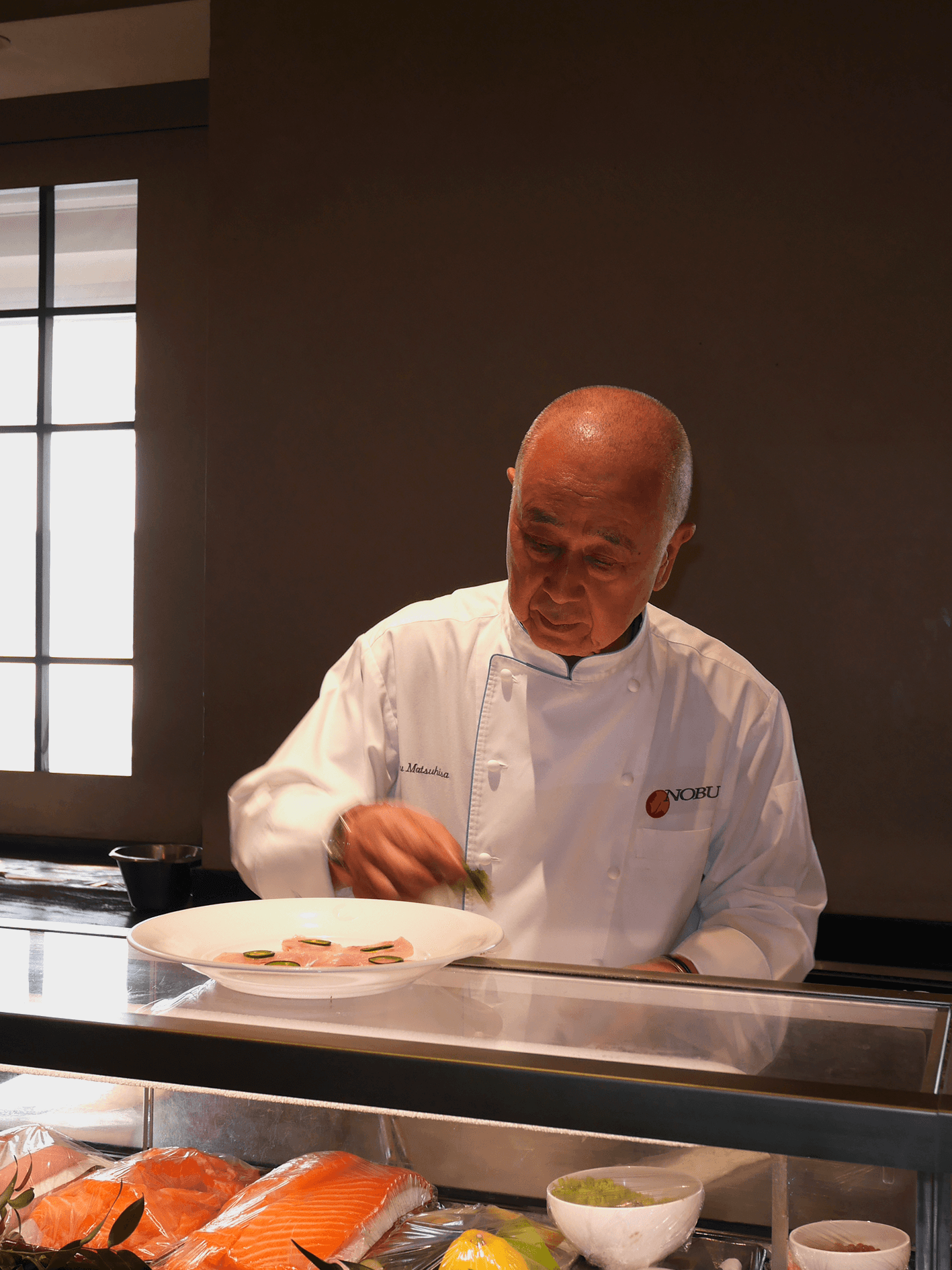
Few chefs have shaped contemporary dining quite like Nobu Matsuhisa. Born in Saitama, Japan, Nobu began his culinary career in Tokyo before moving abroad in the early stages of his professional journey. His time in Peru became especially influential, inspiring the combination of Japanese culinary techniques with Peruvian ingredients and flavors, an approach that would later define his signature style and change the landscape of modern fine dining. Over the decades, Nobu built one of the most recognizable names in global hospitality. What began as a personal culinary vision evolved into an international network of restaurants and hotels known for their minimalist aesthetic, precise execution, and fusion of Japanese and Peruvian cuisine. Beyond the food itself, the Nobu universe became associated with a particular atmosphere, understated luxury, attention to detail, and consistency across every location.
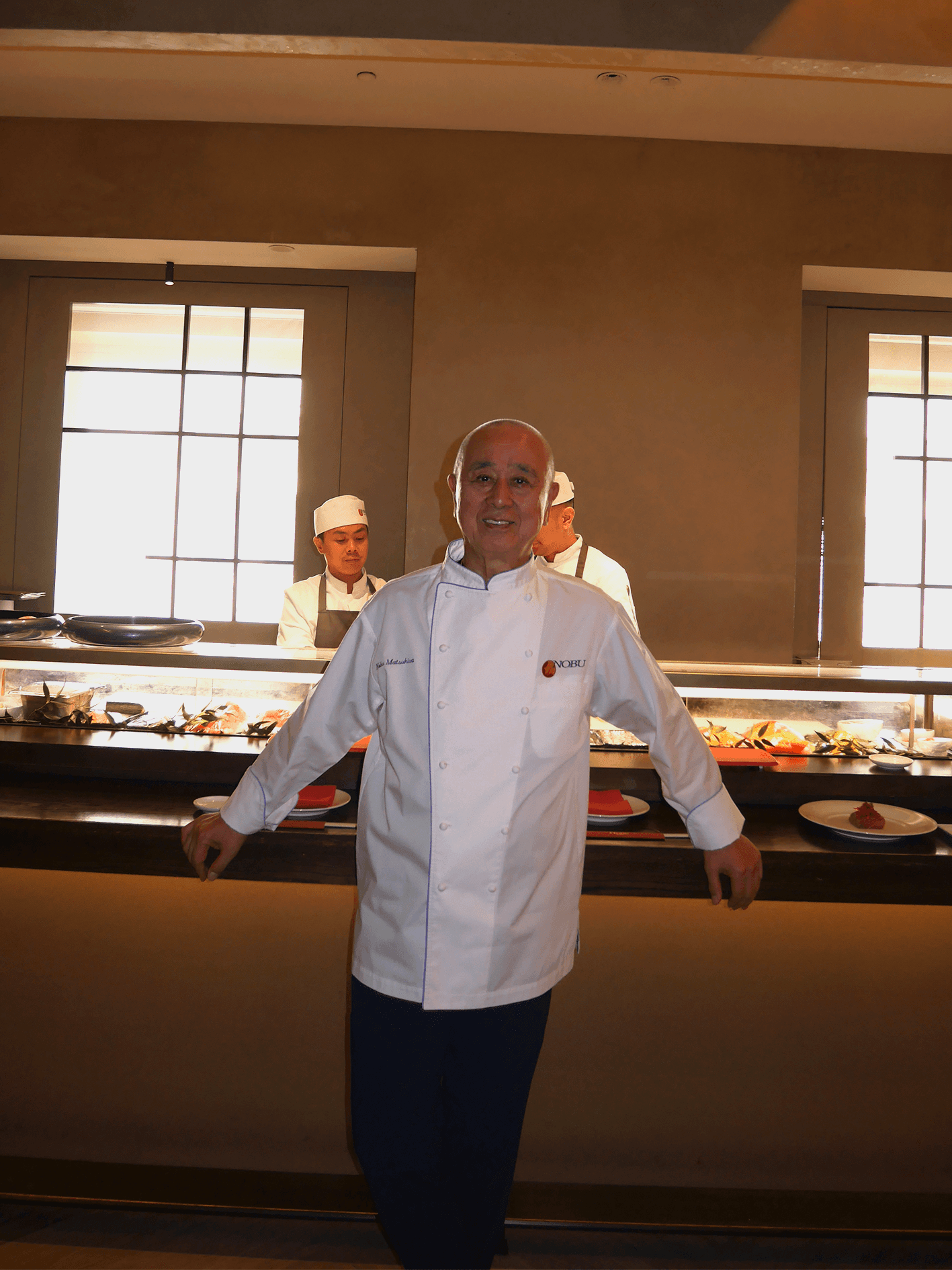
Passion is number one. Technique matters, but without passion, nothing works.
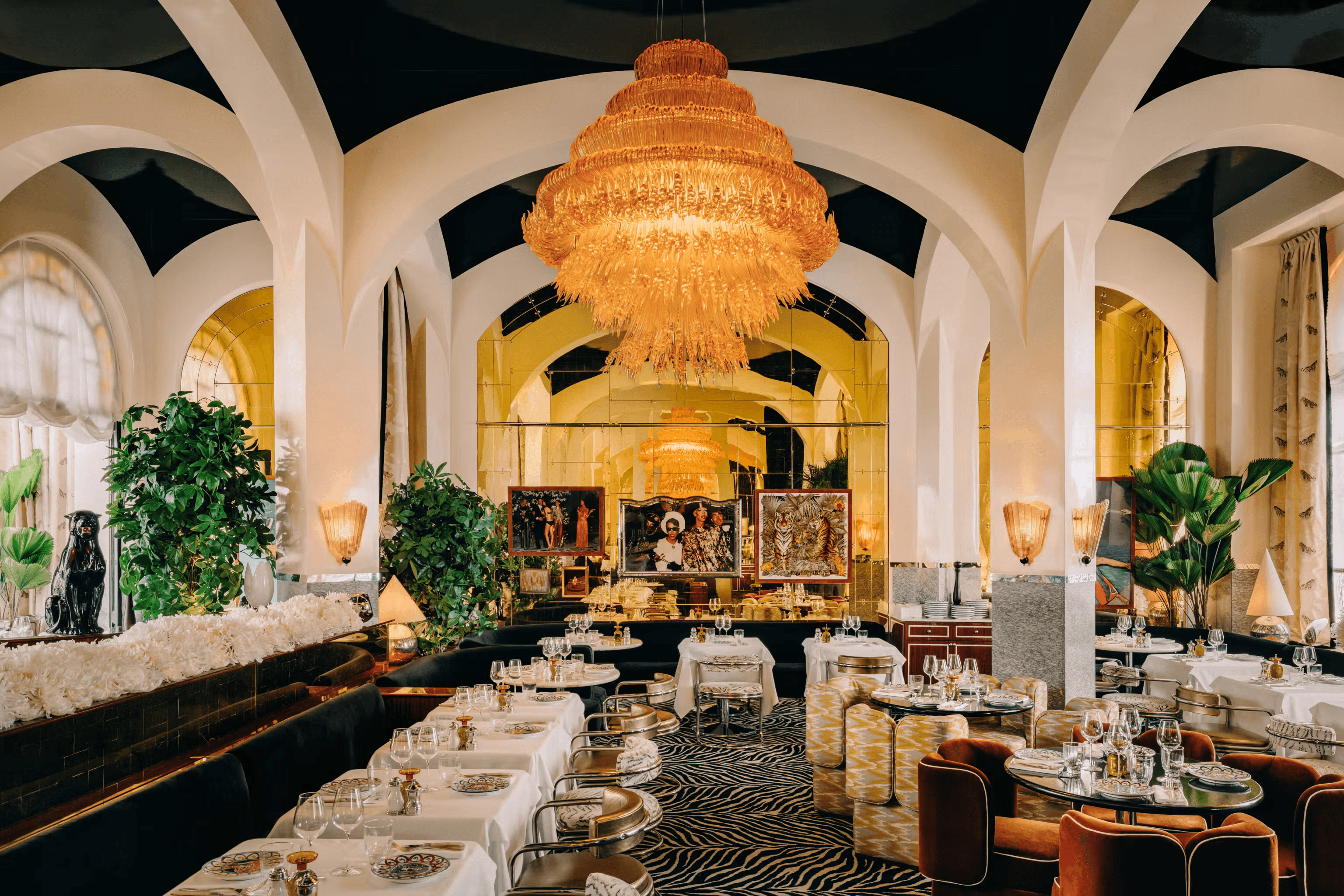
In Italy, Nobu Milano opened in 2000 as the first Nobu restaurant in the country, created in collaboration with Giorgio Armani. Located inside the Armani complex in Milan, the restaurant reflects the shared philosophy of both brands: simplicity, elegance, and timeless design. Over the years, Nobu Milano has become a reference point within the city’s international dining scene, combining Japanese precision, Peruvian influences, and Italian sophistication. During his recent return to Milan, Burro Magazine spoke with Chef Nobu about luxury dining today, consistency across a global restaurant empire, and the values that continue to guide his work.
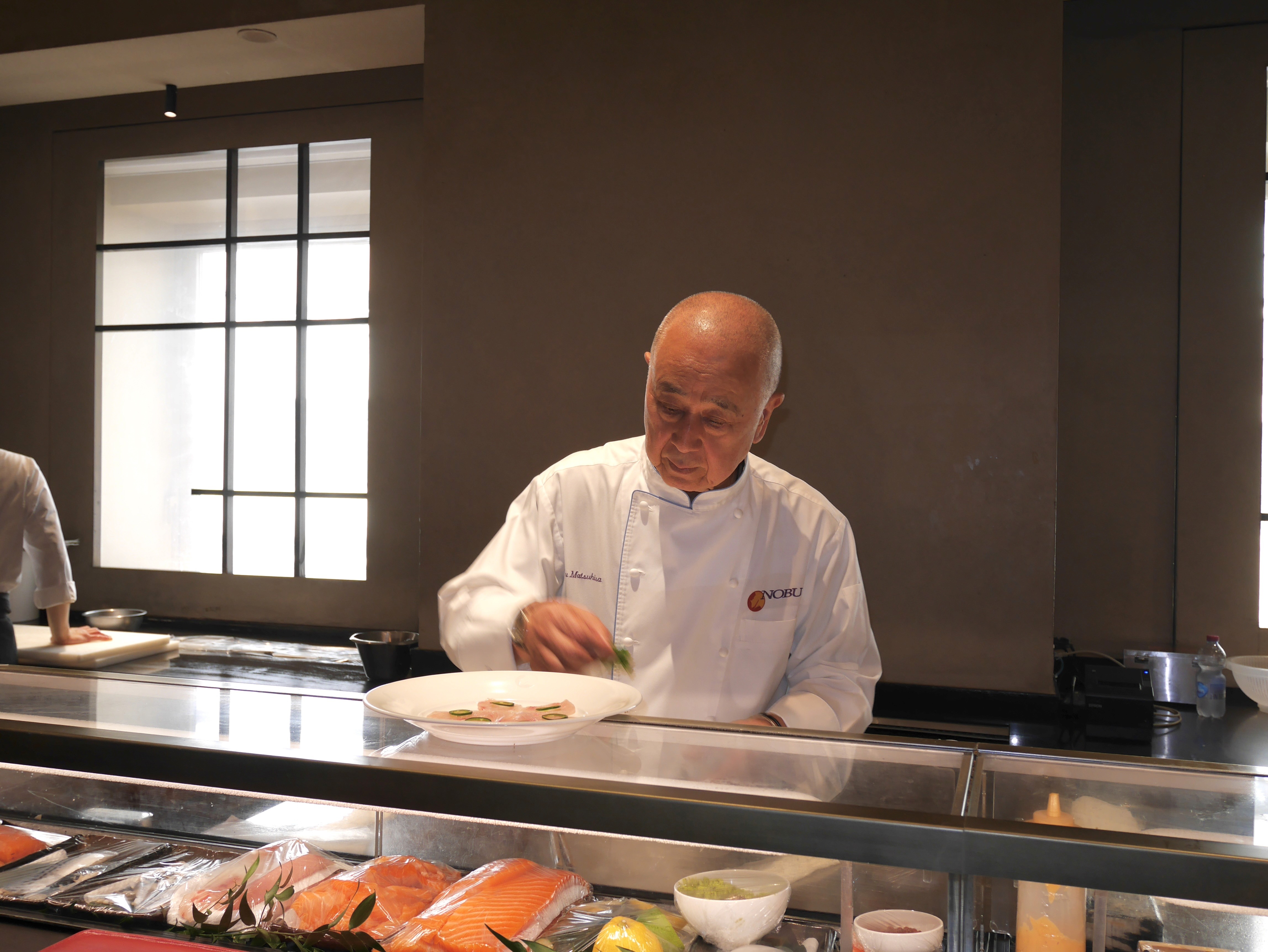
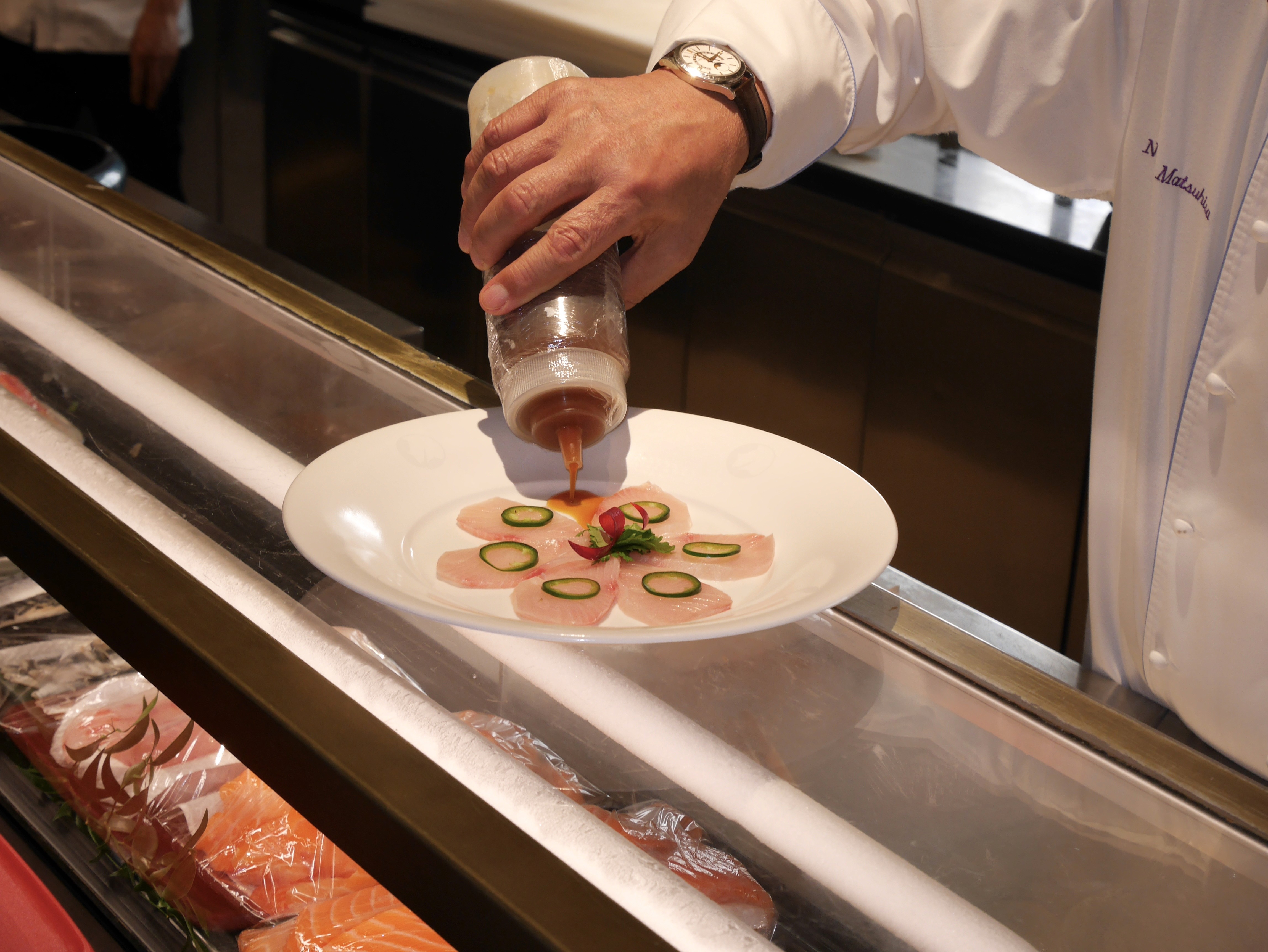
We always try to offer the best food, the best service, and the best atmosphere. The brand comes after that.
What matters more today: taste, atmosphere, or brand? - Well, my way is always to try to offer the best food, the best service, and the best atmosphere. I always try to do my best. Then the brand automatically follows after that.” How do you maintain quality when you have restaurants all over the world? - I have the best teams. The first three restaurants I built, I trained the teams myself. Now we have around 60 restaurants across five continents, and we have great teams. So the team maintains the quality - the food, the service, and all the details. The team keeps the quality. What quality do you value most in young chefs today? - Well, I always say, from my experience: try your best and never give up. But the most important things are technique and passion. Passion is number one. Do you think luxury dining has become more about image than about food itself? - Well, it’s very difficult. It has to be good food, yes. And also, like I mentioned, the atmosphere - the design, the food design, good service, sometimes good music and sound, and also the energy.” Italian culture is deeply connected to tradition and ritual around food. Do you see similarities between Italian and Japanese approaches to dining? - Well, I know Japanese cooking very well, and now I also know Italian cuisine. They are similar because they cook in a very simple way, not complicated. That’s why I like both Japanese food and Italian food. If you were opening your very first restaurant today, in 2026, would you do anything differently? - No, for me the philosophy would never change. We always try to offer the best food, the best service, and a lot of passion. That is something we would never change.
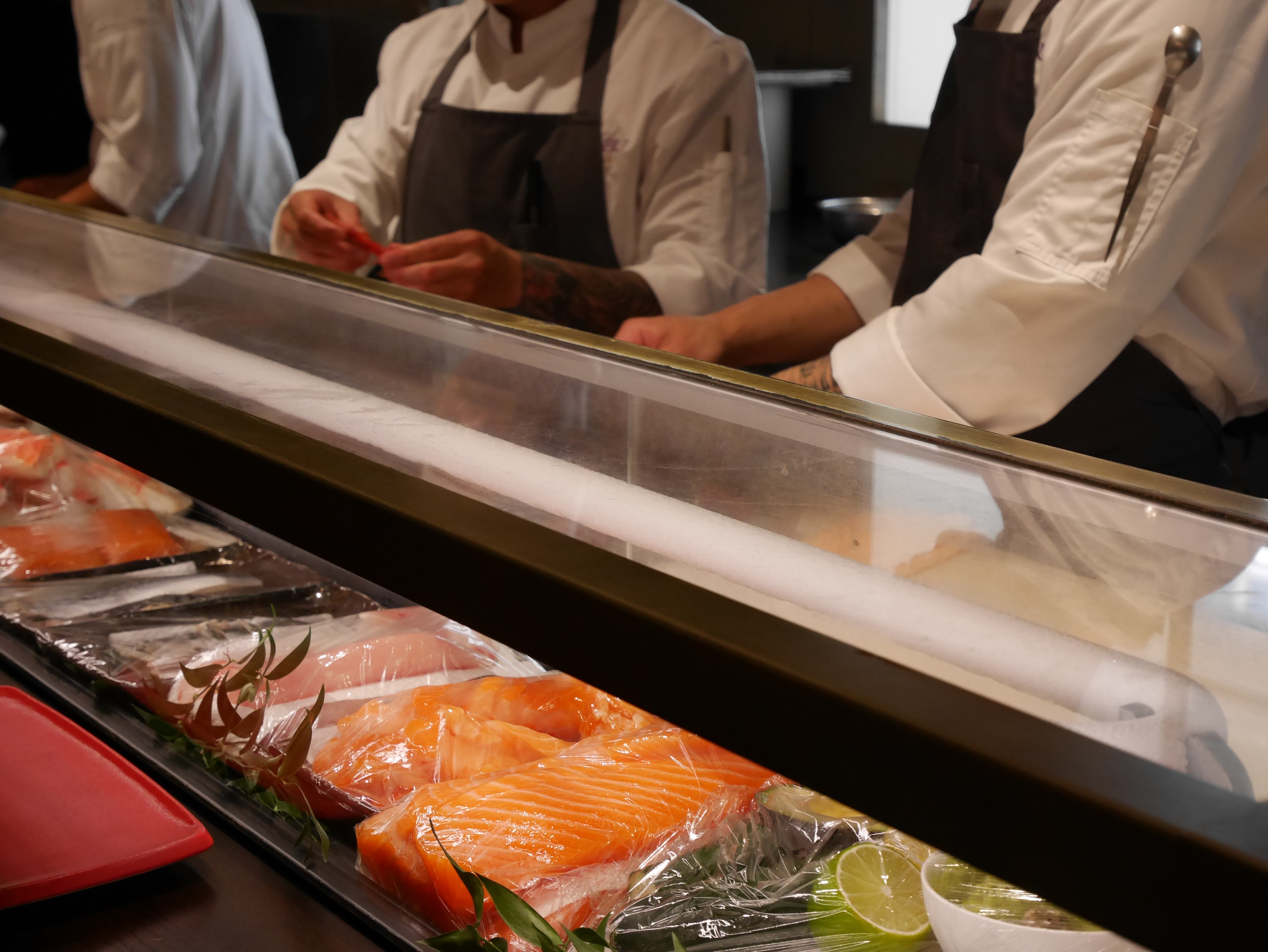
Even after decades of international expansion, Nobu’s philosophy remains centered around the same principles: discipline, consistency, hospitality, and passion. In a dining industry increasingly shaped by image and visibility, his approach still prioritizes the experience itself — from the food and service to the atmosphere surrounding the table.