ARTICLE
Culture of Waiting
Waiting is the new sign of quality
In Milan, waiting has quietly become part of the dining ritual. We queue outside trattorias, linger for a table at Trippa, or wait twenty minutes for a cappuccino at Bar Luce and rarely complain. Because here, waiting signals value. Or at least, that is what we have learned to believe. Long lines suggest quality. Fully booked restaurants imply excellence. A delay feels like proof that something is worth having. Research such as Worth the Wait? How Restaurant Waiting Time Influences Customer Behavior and Revenue confirms this logic. Waiting often irritates, yet it also enhances perceived quality. If people are willing to wait, others assume it must be good. Another Italian study from LUISS University found that queue length itself can attract customers. The line becomes a signal. A form of social proof. Silent marketing.
Too much waiting frustrates. A little waiting seduces.
But the story is not that simple. Waiting today is rarely accidental. Restaurants, shops, and brands actively design it. Reservations are released in limited slots. Tables are timed. Walk-ins are discouraged but publicly visible. Scarcity is carefully staged. The result is anticipation, but also pressure. You wait weeks for a table, only to be reminded that you have exactly two hours. You queue outside, only to feel rushed once seated. The wait is long, but the stay is short. This is where waiting shifts from ritual to control. Elsewhere, efficiency defines service. In Italy, delay defines rhythm. Restaurants set their own pace. Courses arrive slowly. Pauses between dishes stretch. Conversation fills the gaps. What might feel inefficient becomes an invitation to slow down. Yet at the same time, this rhythm increasingly clashes with reality. Milan is not a small town. It is a fast, competitive, crowded city. People arrive tired, late, overstimulated. They wait not because they want to, but because the system leaves them little choice. The culture of waiting creates a paradox. We complain about it, but we participate in it. We say it is inefficient, yet we follow the queue. We feel irritated, yet we stay. Waiting becomes a condition of access. And access is exactly the point. Waiting filters people. It selects those who can afford the time, the flexibility, the patience. It creates hierarchy. If you can wait, you belong. If you cannot, you adapt or leave. This logic extends beyond restaurants. Limited drops in fashion. Long lines in front of cafés. Stores that look empty but are fully booked. Waiting is no longer a byproduct of demand. It is part of the strategy. Psychologically, this works because anticipation amplifies desire. The longer we wait, the more we invest. Once we have waited, leaving feels like failure. The effort must be justified. But emotional investment has a cost. Many people describe waiting not as pleasurable, but as draining. It creates anxiety. It sharpens self-consciousness. It forces constant calculation. Is it worth it? Should we stay? How long is too long? Still, most people do not leave.
BONNIETSANG
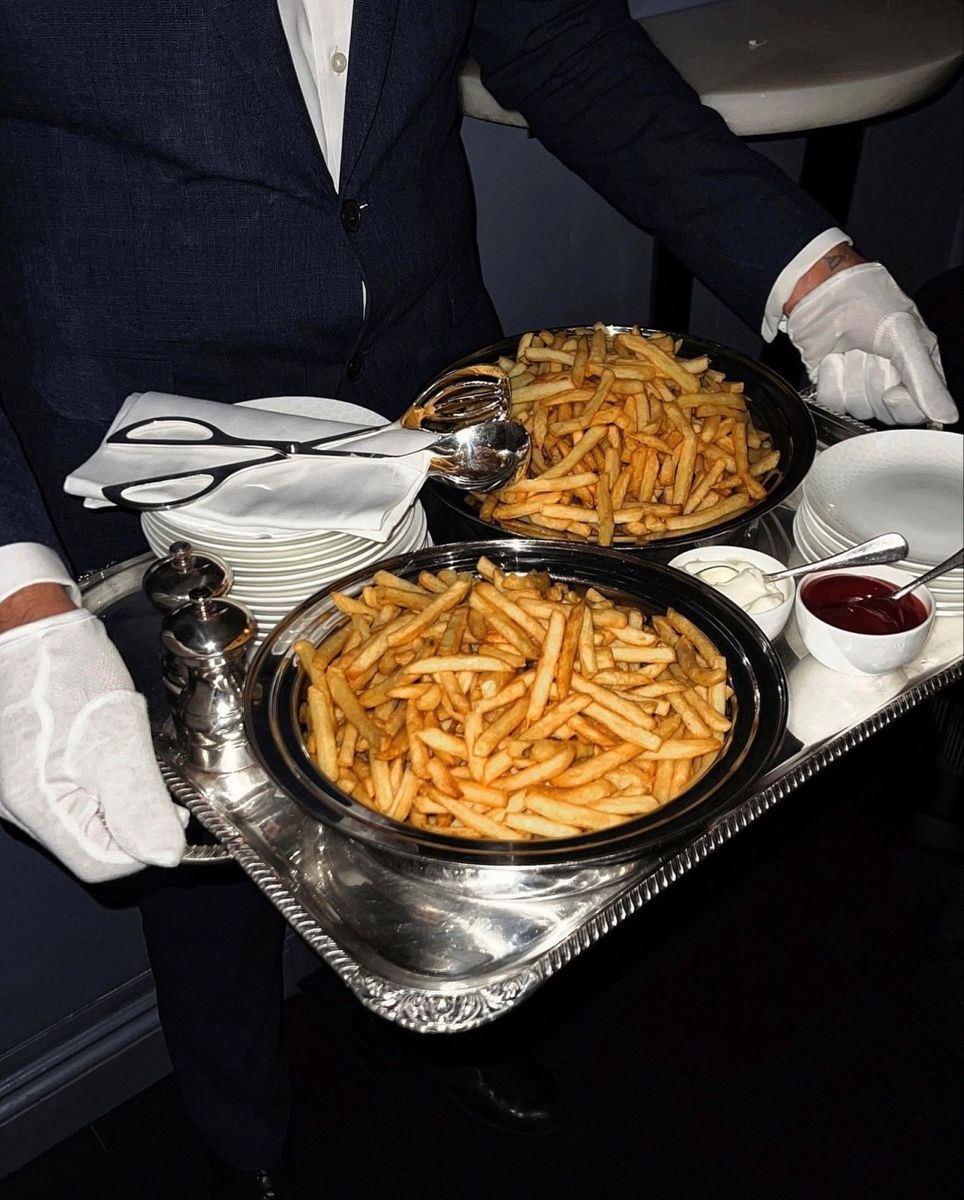
CASILDASECASA
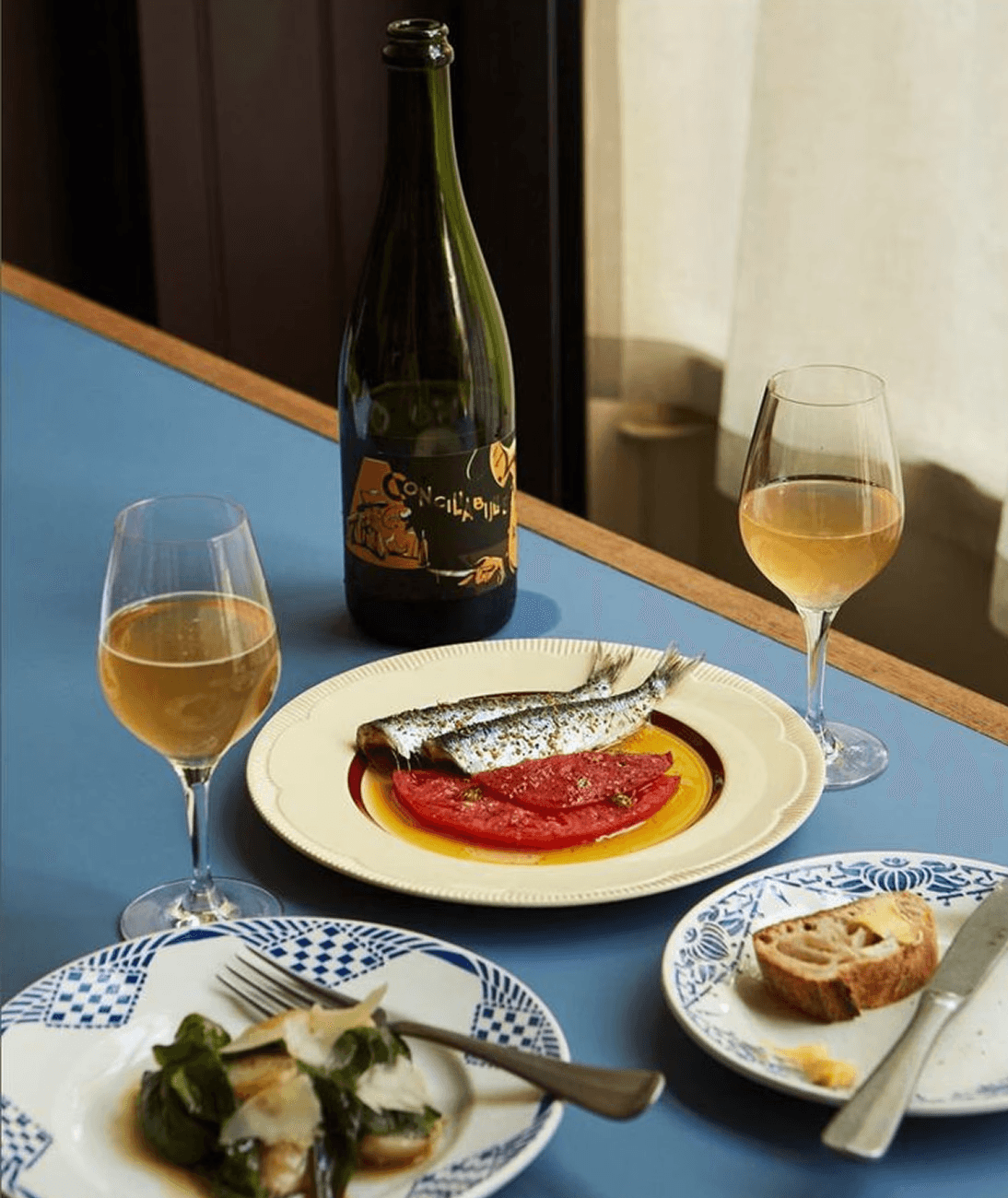
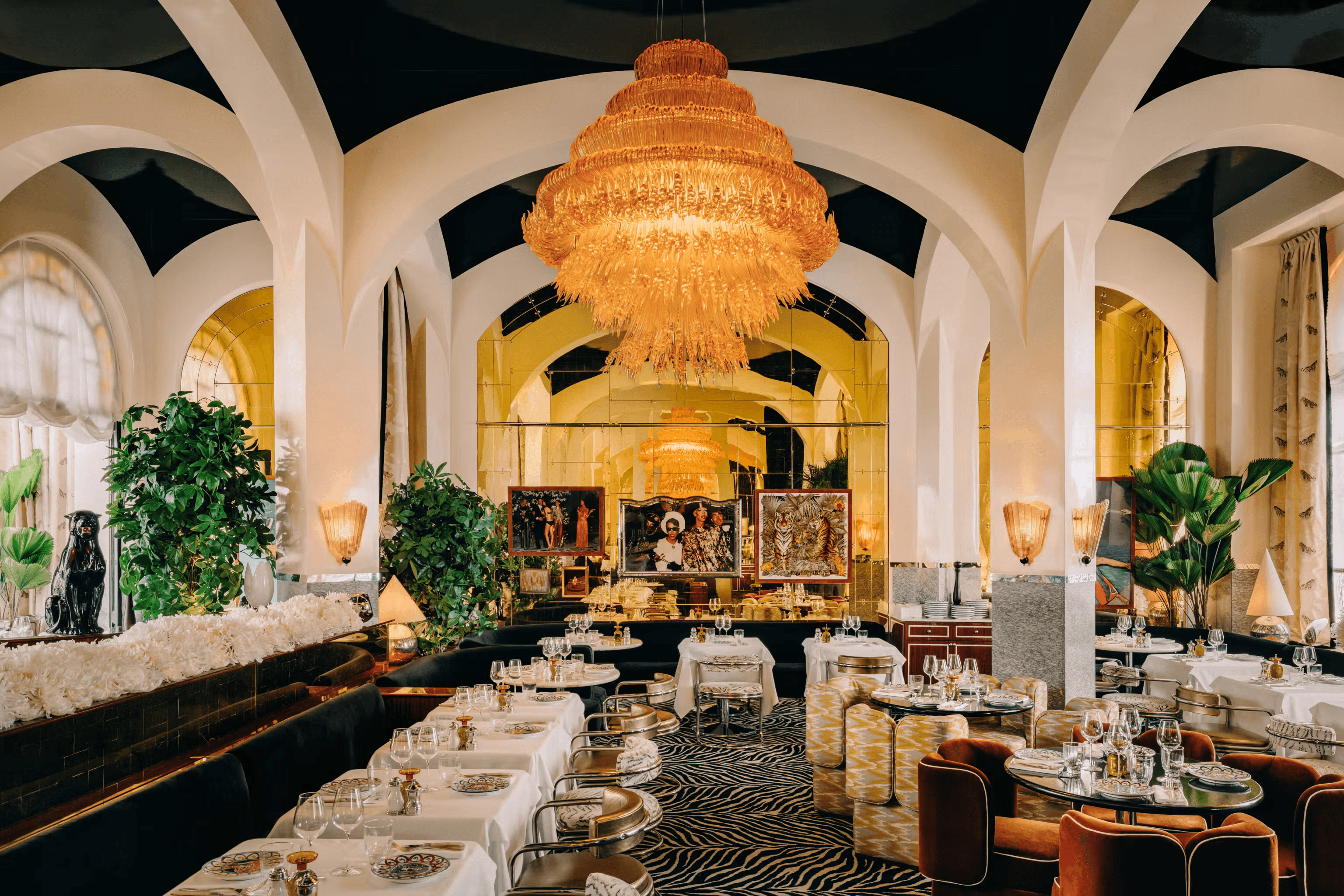
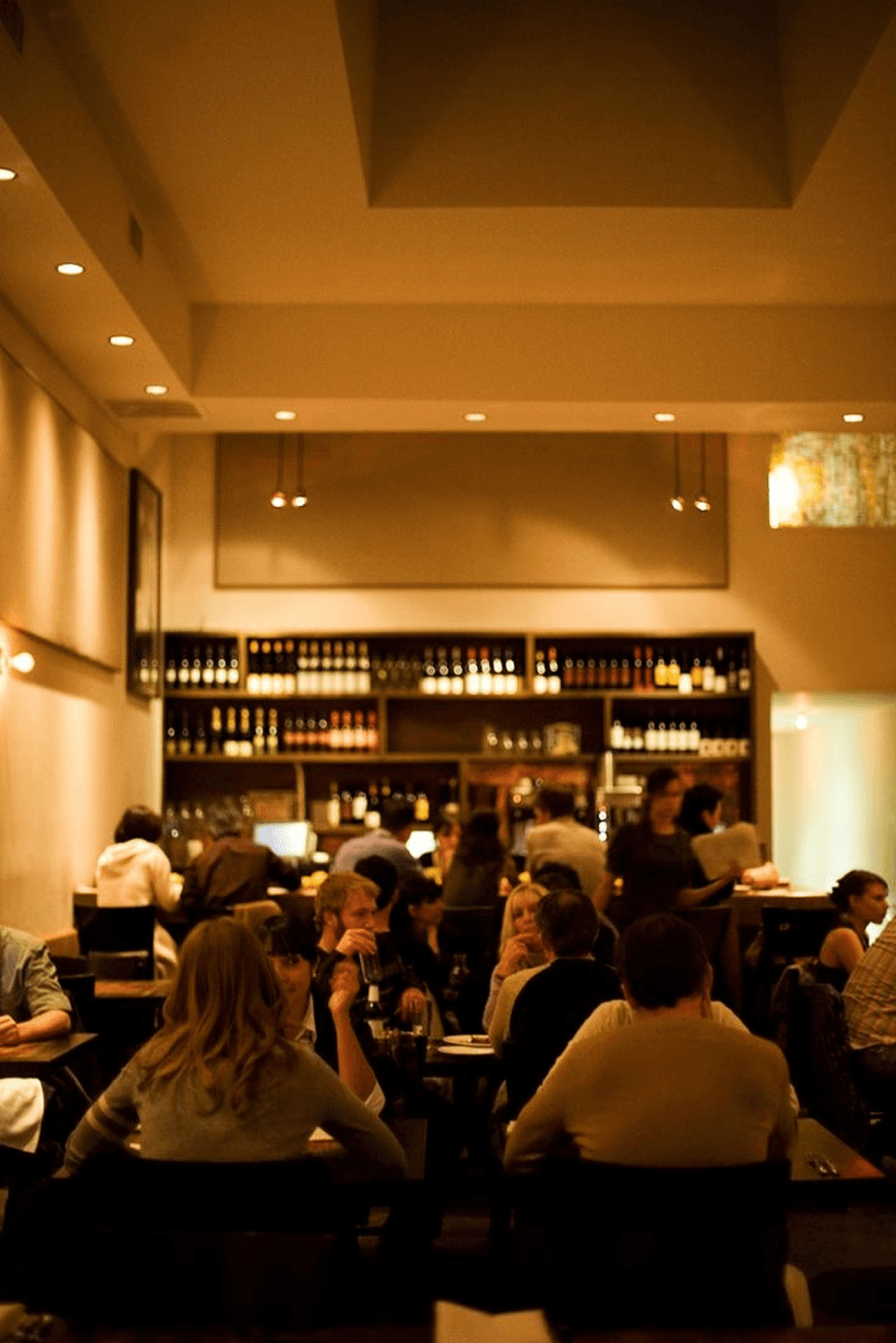
Long lines at La Rue or tables at Trippa booked months in advance prove waiting can be a part of the experience.
Waiting has become normalized. Expected. Almost unquestioned. Italian dining culture traditionally allowed waiting to unfold naturally. Meals were long. Time was flexible. The end was chosen, not imposed. Today, that tradition coexists with a very different reality. High turnover. Time limits. Efficiency hidden behind slowness. The contrast is striking. You are encouraged to wait, but not to linger. To anticipate, but not to relax fully. To participate, but within boundaries. This tension is what defines contemporary waiting culture. For some, this is part of the charm. Waiting creates atmosphere. It slows the moment. It turns dinner into an event. It forces people to be present, to talk, to observe. For others, it feels manipulative. Artificial. Designed to create hype rather than hospitality. A system where discomfort is reframed as value. Both reactions are valid. And both coexist at the same table.
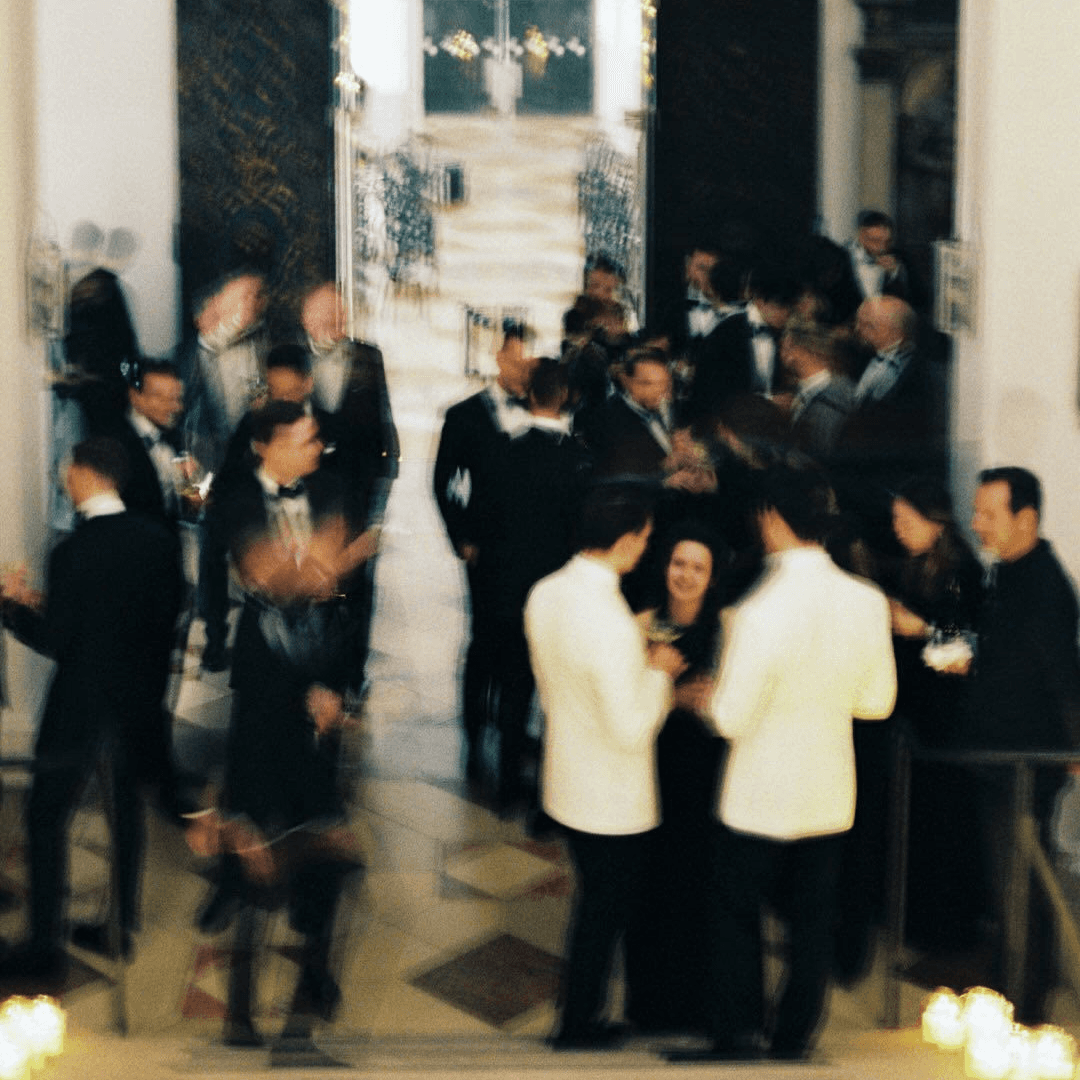
KATARINAFEDORA
Waiting works when it feels intentional and shared. When everyone moves at the same pace. When the space supports the pause. When time expands rather than compresses. It fails when it feels imposed. When it creates stress instead of anticipation. When the wait is long, but the experience is rushed. And yet, we keep showing up. Because waiting promises something. Quality. Belonging. Access. A story worth telling. Ultimately, the culture of waiting in Milan is not just about food. It reflects how value is produced today. Through scarcity. Through delay. Through the idea that what is difficult to access must be worth more. The question is not whether waiting is good or bad. The question is how much of it we accept, and why. Milan, with its obsession for productivity, hides a soft resistance in its dining culture. But it also reveals something else. How easily we adapt to systems that ask us to wait, even when we are no longer sure what we are waiting for.