ARTICLE
Food Trends and the Fast-Fashion Effect on Eating
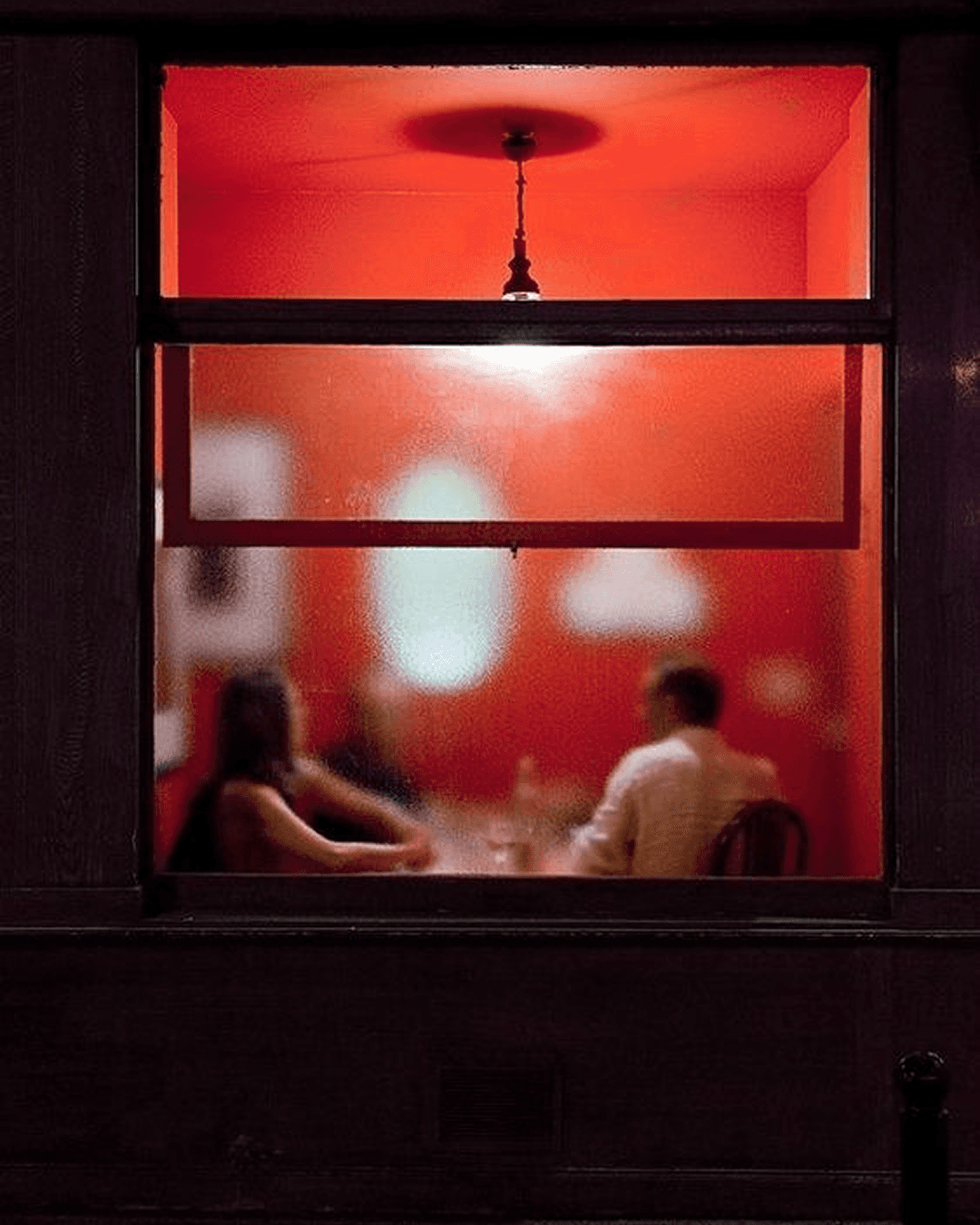
In Milan, waiting has quietly become part of the dining ritual. We queue outside trattorias, linger for a table at Trippa, or wait twenty minutes for a cappuccino at Bar Luce and rarely complain. Because here, waiting signals value. Or at least, that is what we have learned to believe. Long lines suggest quality. Fully booked restaurants imply excellence. A delay feels like proof that something is worth having. Research such as Worth the Wait? How Restaurant Waiting Time Influences Customer Behavior and Revenue confirms this logic. Waiting often irritates, yet it also enhances perceived quality. If people are willing to wait, others assume it must be good. Another Italian study from LUISS University found that queue length itself can attract customers. The line becomes a signal. A form of social proof. Silent marketing.
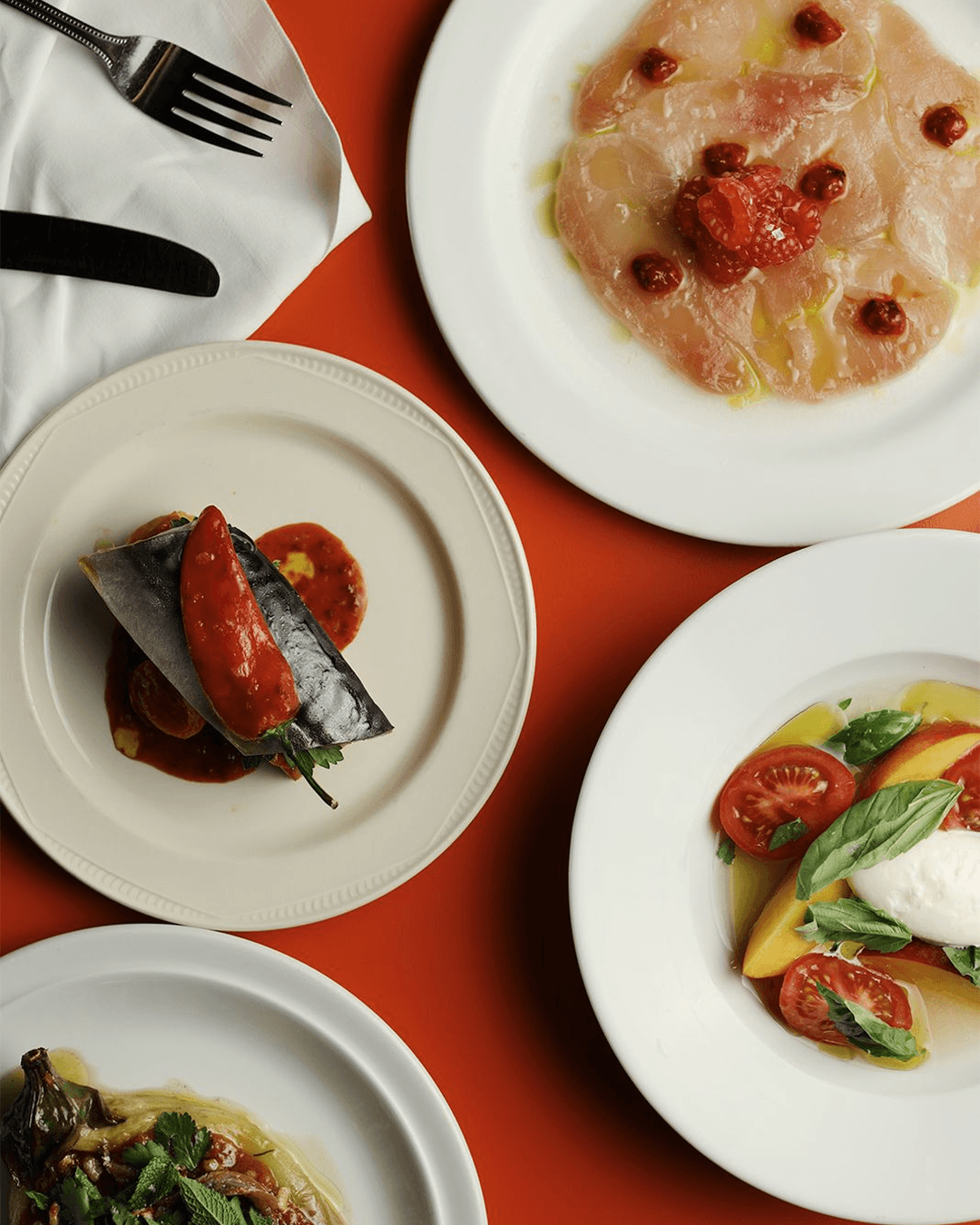
Food in big cities now behaves like fashion - quick openings, quick closings.
Many restaurants are opened to catch a trend, not to stay for years. Good, long-standing places still exist, but they now coexist with concepts designed to appear quickly and disappear just as fast. These shifts also affect how people eat. Daily routines in large cities are shaped by long working hours, commuting, and increasingly efficient delivery services. Cooking at home becomes less frequent for some, not necessarily by choice, but shaped by daily realities. At the same time, the visibility of food outside the home has increased. New openings, limited menus, collaborations, and “must-try” spots dominate social media and urban conversation. It is important to note that participation in food trends is not universal. Economic realities matter. For many people, dining out is occasional rather than habitual, and trends are observed more than consumed. Urban food culture does not move as a single block. Still, even for those who rarely follow trends directly, the overall environment becomes more trend-driven: menus change faster, concepts rotate more often, and novelty becomes a defining value.
Madison.utendahl
Sheerluxe
The faster the trend cycle, the more superficial our relationship with food becomes.
What emerges is not a judgment on individual behaviour, but a cultural shift. Food becomes more visible, more curated, and more performative. A dish is increasingly experienced not only through taste, but through narrative, presentation, and timing. Eating out can feel closer to cultural consumption than to nourishment. In this environment, attention often moves faster than appetite. This dynamic also creates tension within the industry itself. Constant reinvention can lead to creative fatigue. Chefs and restaurateurs are pushed to adapt quickly, to anticipate the next wave, to stay relevant in an environment where patience is rare. The pressure to align with trends can overshadow slower processes that require time, consistency, and restraint. At the same time, another shift is becoming visible. Interest in simpler menus, seasonal cooking, smaller formats, and intentional dining suggests that many people are seeking something more stable. Home cooking, while challenged by time and cost, is being reframed by some as an act of control and care rather than obligation. These movements do not reject trends entirely, but they question their dominance. The core issue is not whether trends are good or bad. Trends are inevitable, and often useful. They introduce new flavours, techniques, and perspectives. The question is what happens when trend cycles become so fast that they replace understanding with repetition. When novelty becomes the main currency, appreciation risks becoming superficial.
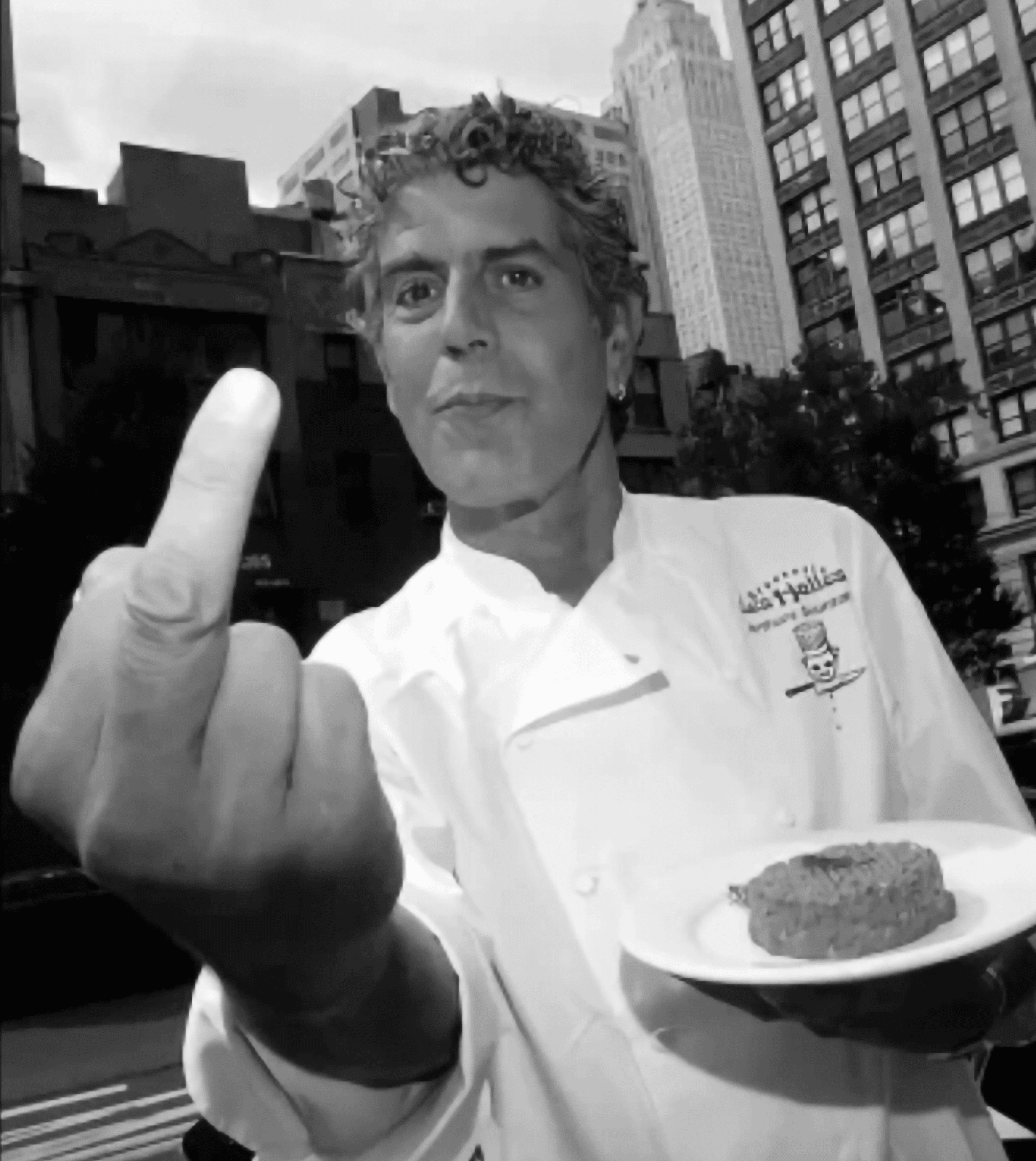
Anthony Bourdain
In cities like Milan, food remains a powerful cultural language. It reflects where people come from, how they live, and how the city evolves. Preserving that richness doesn’t mean rejecting change, but allowing enough time for food to keep its meaning. Trends will always exist, but speed shapes how deeply they are experienced. Ultimately, the challenge for urban food culture today is balance: staying open to what’s new without letting constant movement flatten value. Food shapes daily life, habits, and memory, reminding us that food is culture, not just momentum.