ARTICLE
Italian Restaurants Beyond Italy
How Italian Restaurants Took Over The World
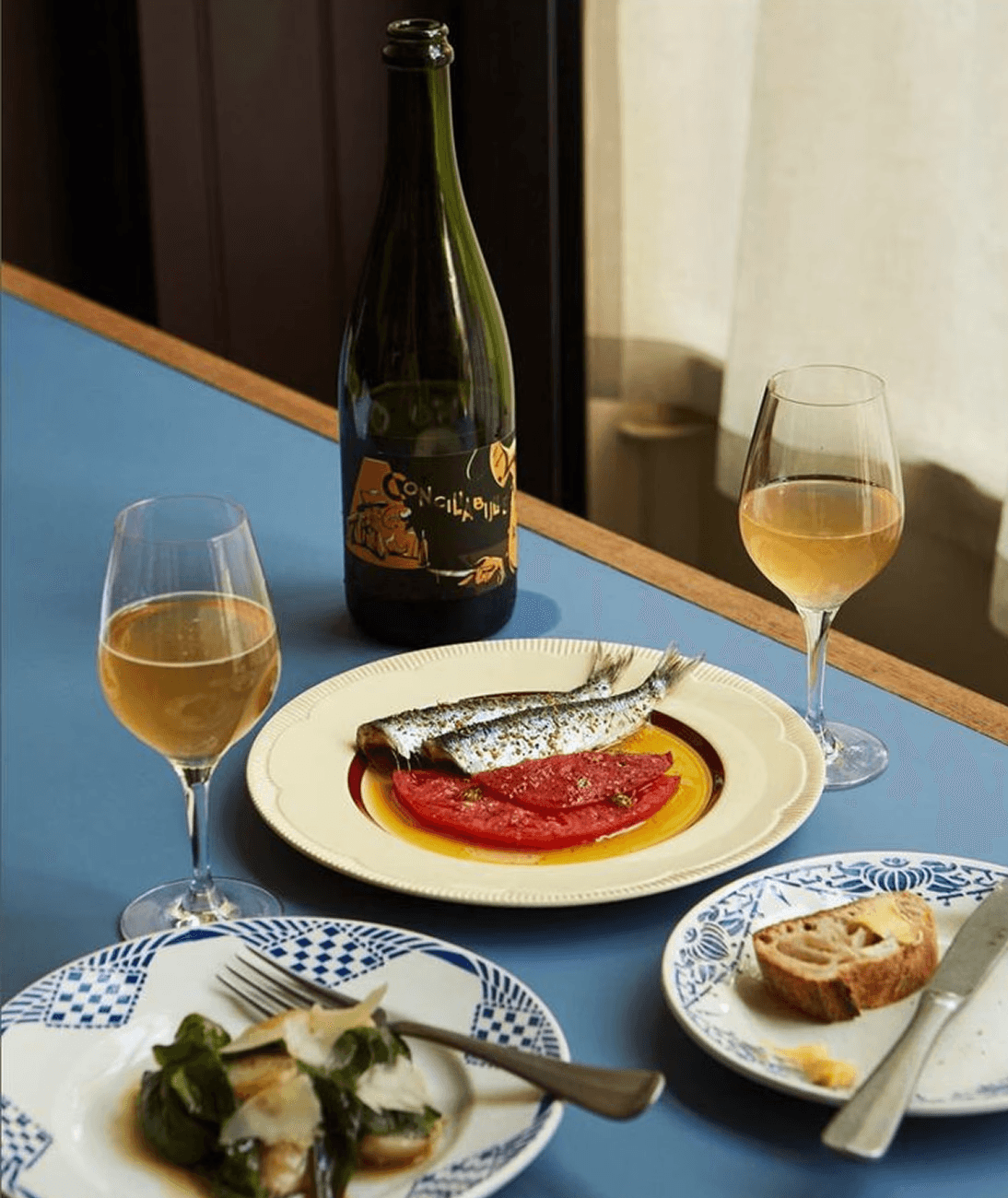
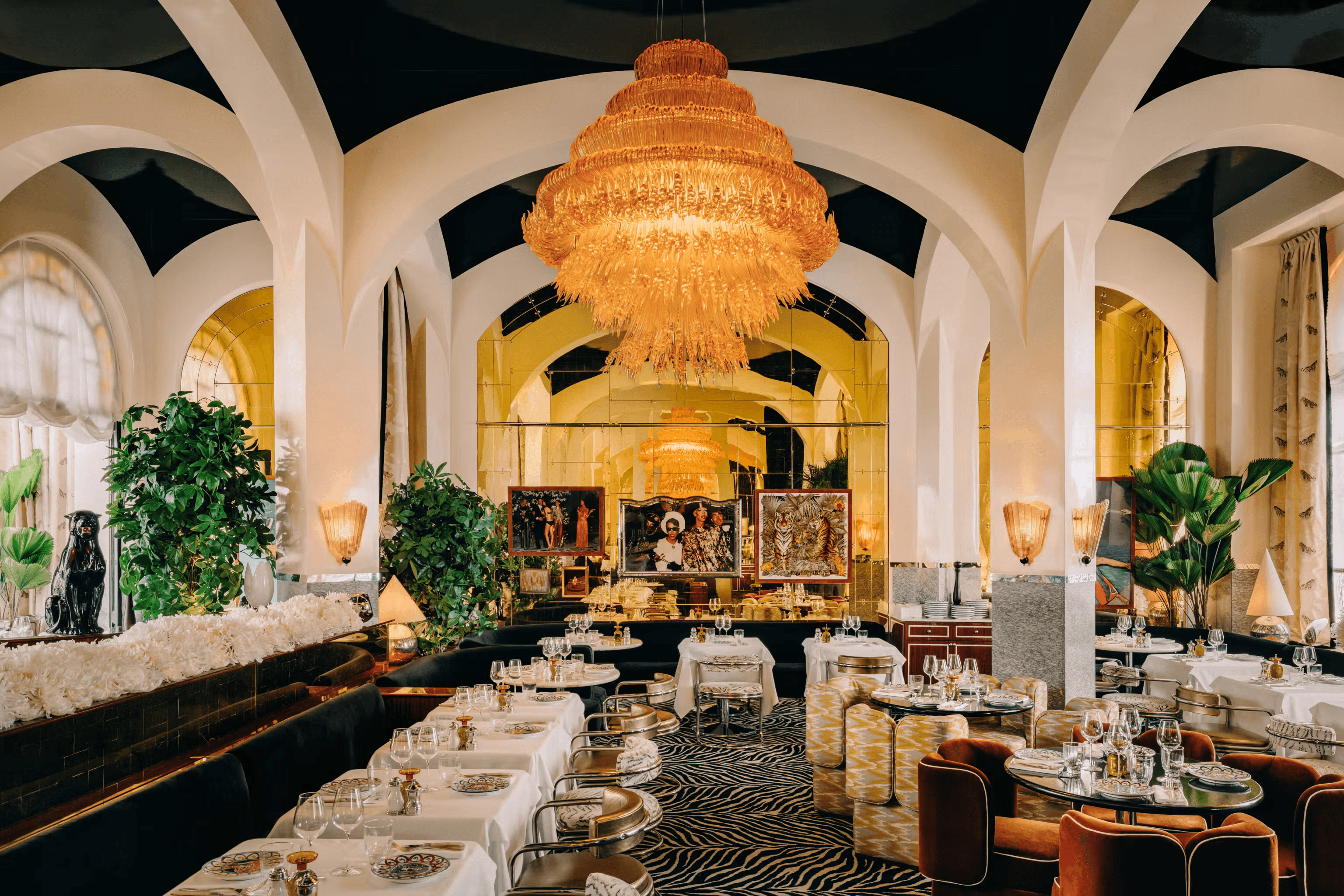
Italian cuisine has long been one of the most recognizable culinary languages in the world. Yet what is unfolding today extends far beyond food itself. Across global capitals such as Paris, London, New York and Dubai, Italian restaurant groups are no longer simply opening dining spaces. They are constructing fully formed cultural environments. What is being exported is not only a menu, nor even a tradition. It is an interpretation of Italy as an aesthetic system. Warm lighting, long tables, shared dishes, aperitivo rituals and a carefully curated sense of ease have become globally legible symbols. Italian dining, in this sense, has evolved into a visual and emotional grammar that travels effortlessly across borders. In contemporary hospitality, Italy is no longer just a geography. It is an atmosphere.
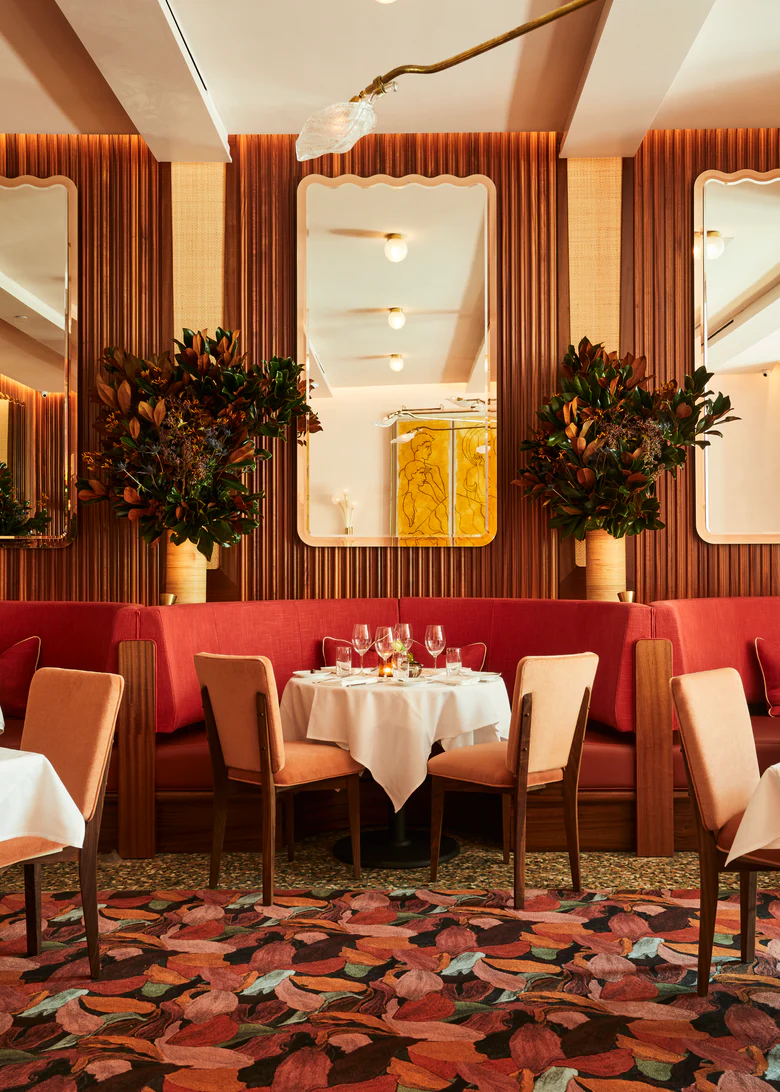
Italian dining has become a language of emotion rather than origin.
The transformation of Italian dining abroad is not happening through imitation, but through interpretation. What matters today is no longer strict authenticity, but the ability to construct a believable emotional world. Restaurants have become environments of perception. They are designed not only to serve food, but to stage an idea of Italy that can be immediately understood, felt and remembered. Within this shift, Italian restaurant groups operate less as hospitality businesses and more as cultural designers. Big Mamma Group is one of the clearest expressions of this logic. Instead of reproducing regional Italy, it builds a cinematic version of it. Oversized interiors, saturated atmospheres and controlled abundance create spaces that feel immersive rather than traditional. Italy becomes something performed, not preserved. Cipriani, in contrast, represents restraint. Rooted in Venice and shaped by the legacy of Harry’s Bar, it exports Italian identity through consistency, elegance and quiet luxury. Across New York, Dubai and Monte Carlo, the experience is defined by control rather than spectacle. Sant Ambroeus adds another layer. Originating in Milan and later embedded in New York’s cultural and fashion ecosystem, it became a social infrastructure rather than a conventional restaurant. A place where dining blends into everyday cultural rhythm. Eataly extends this shift into a system. It does not only serve Italian food, but organizes it into a global structure of retail, dining and education, transforming cuisine into a navigable cultural archive. Langosteria reflects a more contemporary Milanese interpretation. Precise, design-driven and internationally fluent, it represents a version of Italian dining that looks forward rather than backward. Across these examples, Italian dining becomes a spectrum of interpretations rather than a single tradition.
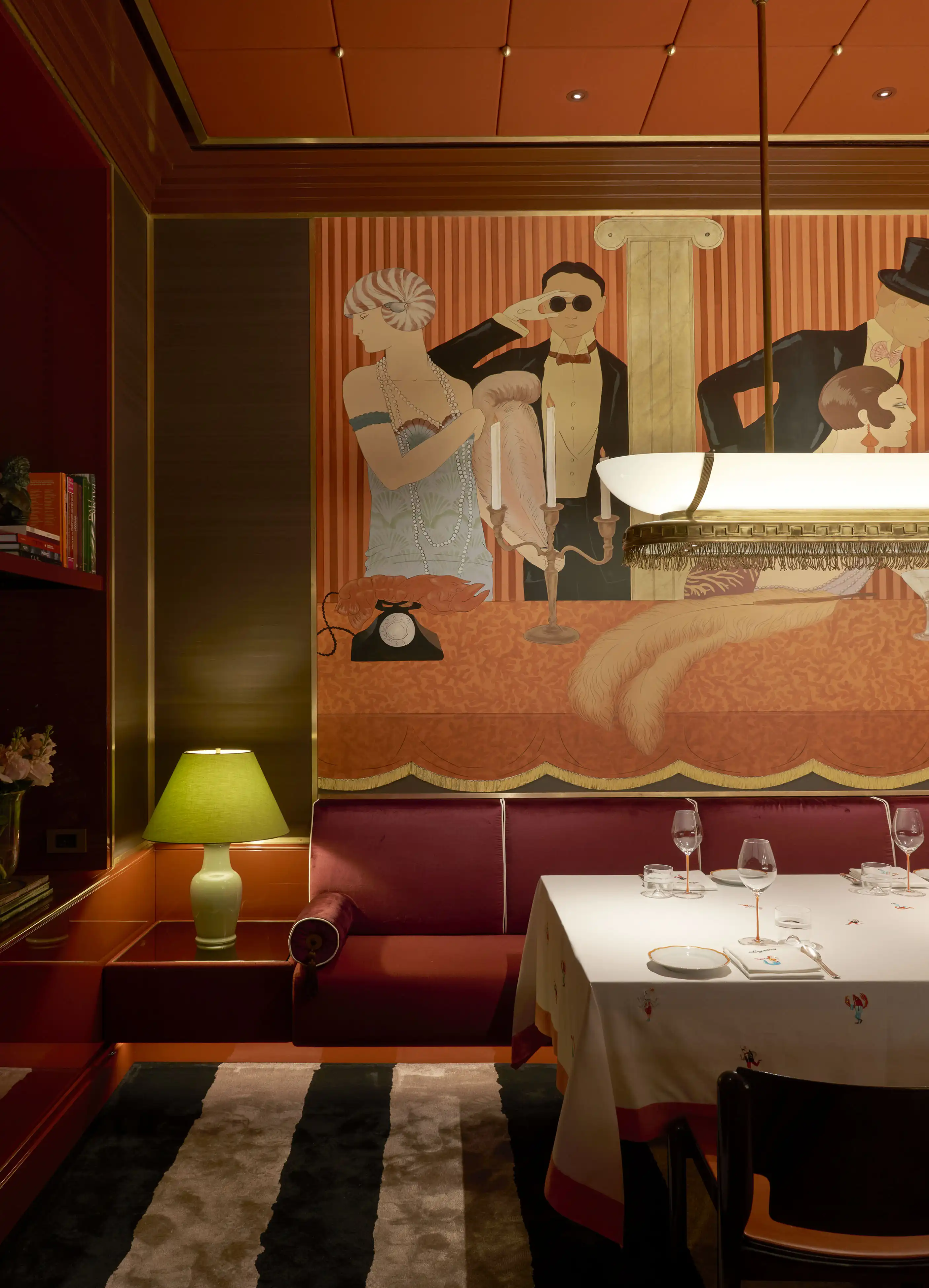
Langosteria
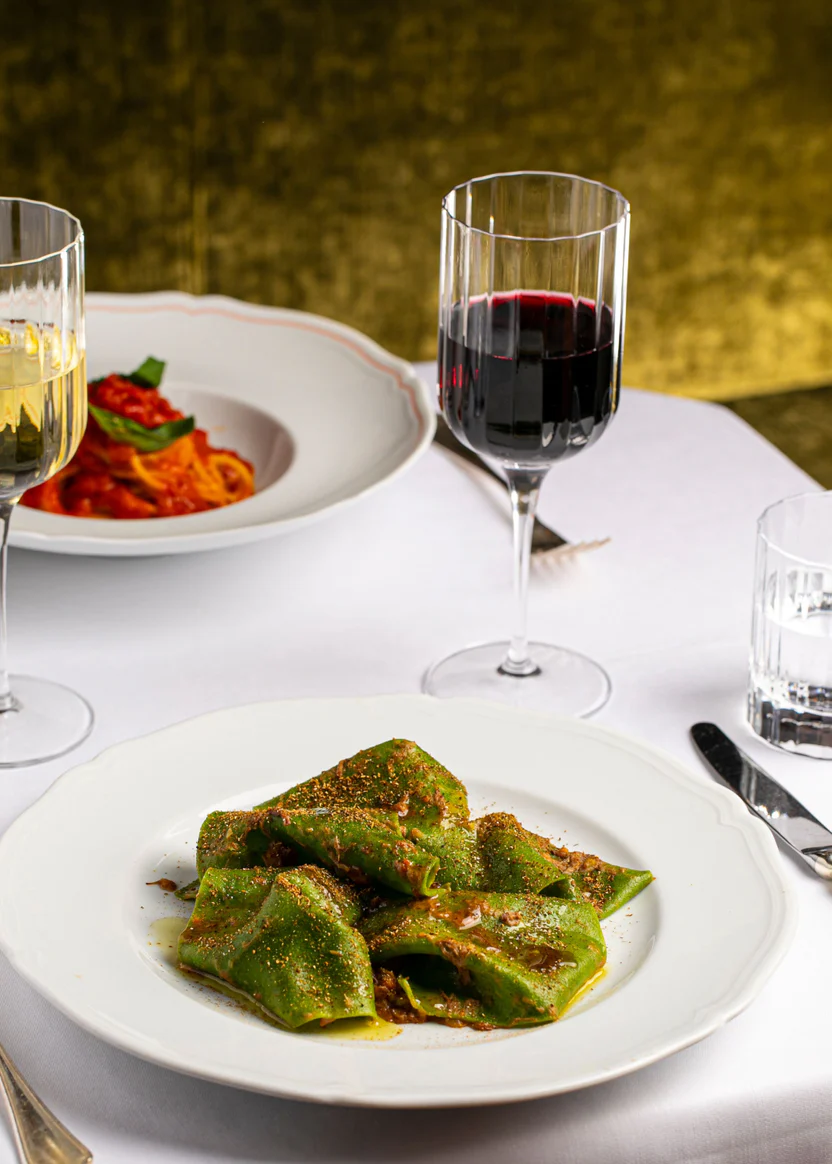
Sant Ambroeus Milano
Restaurant groups like Big Mamma, Cipriani, Sant Ambroeus, Eataly and Langosteria are exporting an entire lifestyle built around atmosphere, aesthetics and the fantasy of la dolce vita.
The global success of Italian restaurant groups lies in a cultural balance that few cuisines achieve. Italian food is both familiar and aspirational. It is simple in form, yet emotionally rich in experience. This duality allows it to travel without losing clarity. But what is being exported today is no longer only cuisine. It is atmosphere, behavior and emotional design. Restaurants have become environments of imagination. Within them, Italy is no longer fixed to geography. It becomes a flexible cultural idea that can be reshaped depending on context, audience and intention. In this sense, Italian dining does not simply expand globally. It continuously reinvents itself as it moves.
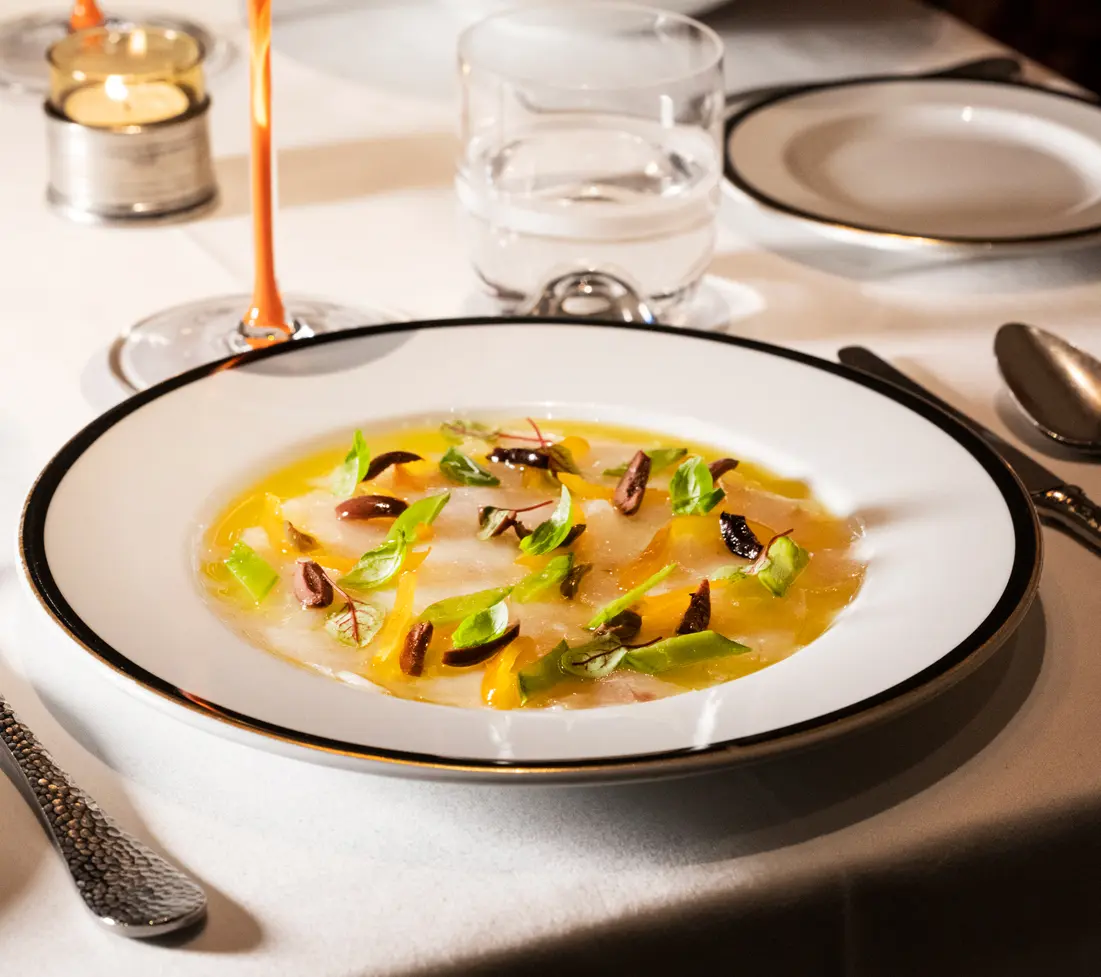
Langosteria
Italian restaurants have entered a global phase defined less by origin and more by interpretation. From cinematic maximalism to restrained luxury, from cultural integration to systemized food ecosystems and contemporary Milanese design, each group contributes to a different reading of Italy. Yet all of them participate in the same cultural shift: turning cuisine into experience and experience into identity. What has been exported is not a single image of Italy. It is the possibility of imagining Italy in multiple forms at once. Italian restaurants today do not simply serve a country. They continuously recreate its atmosphere.