ARTICLE
Soft Clubbing Phenomenon
How Coffee Raves Are Remixing Nightlife for a New Generation
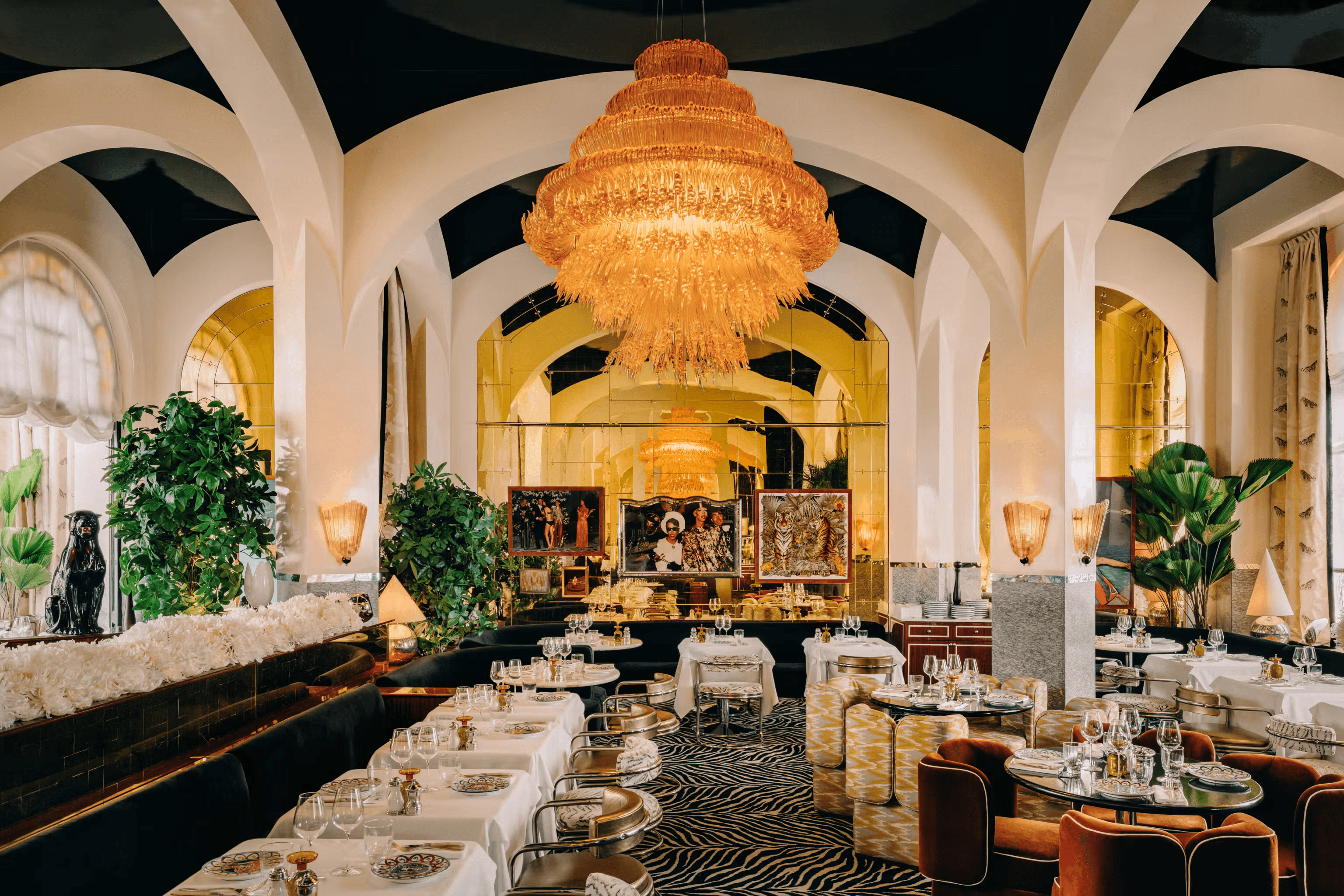
In Milan, waiting has quietly become part of the dining ritual. We queue outside trattorias, linger for a table at Trippa, or wait twenty minutes for a cappuccino at Bar Luce and rarely complain. Because here, waiting signals value. Or at least, that is what we have learned to believe. Long lines suggest quality. Fully booked restaurants imply excellence. A delay feels like proof that something is worth having. Research such as Worth the Wait? How Restaurant Waiting Time Influences Customer Behavior and Revenue confirms this logic. Waiting often irritates, yet it also enhances perceived quality. If people are willing to wait, others assume it must be good. Another Italian study from LUISS University found that queue length itself can attract customers. The line becomes a signal. A form of social proof. Silent marketing.
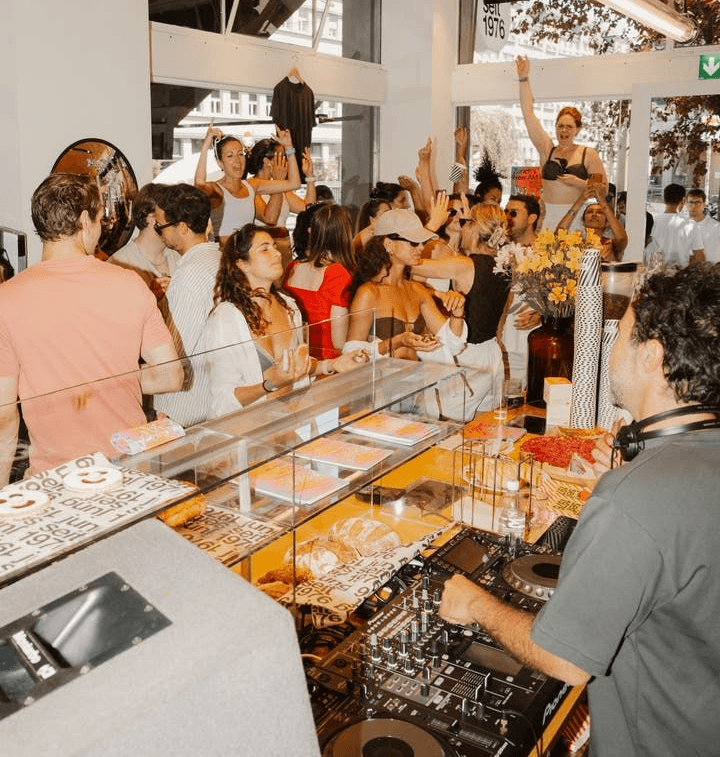
The rise of "sober-curious" culture and Gen Z drinking less has pushed these events into the spotlight, with platforms and press calling it a remix of nightlife
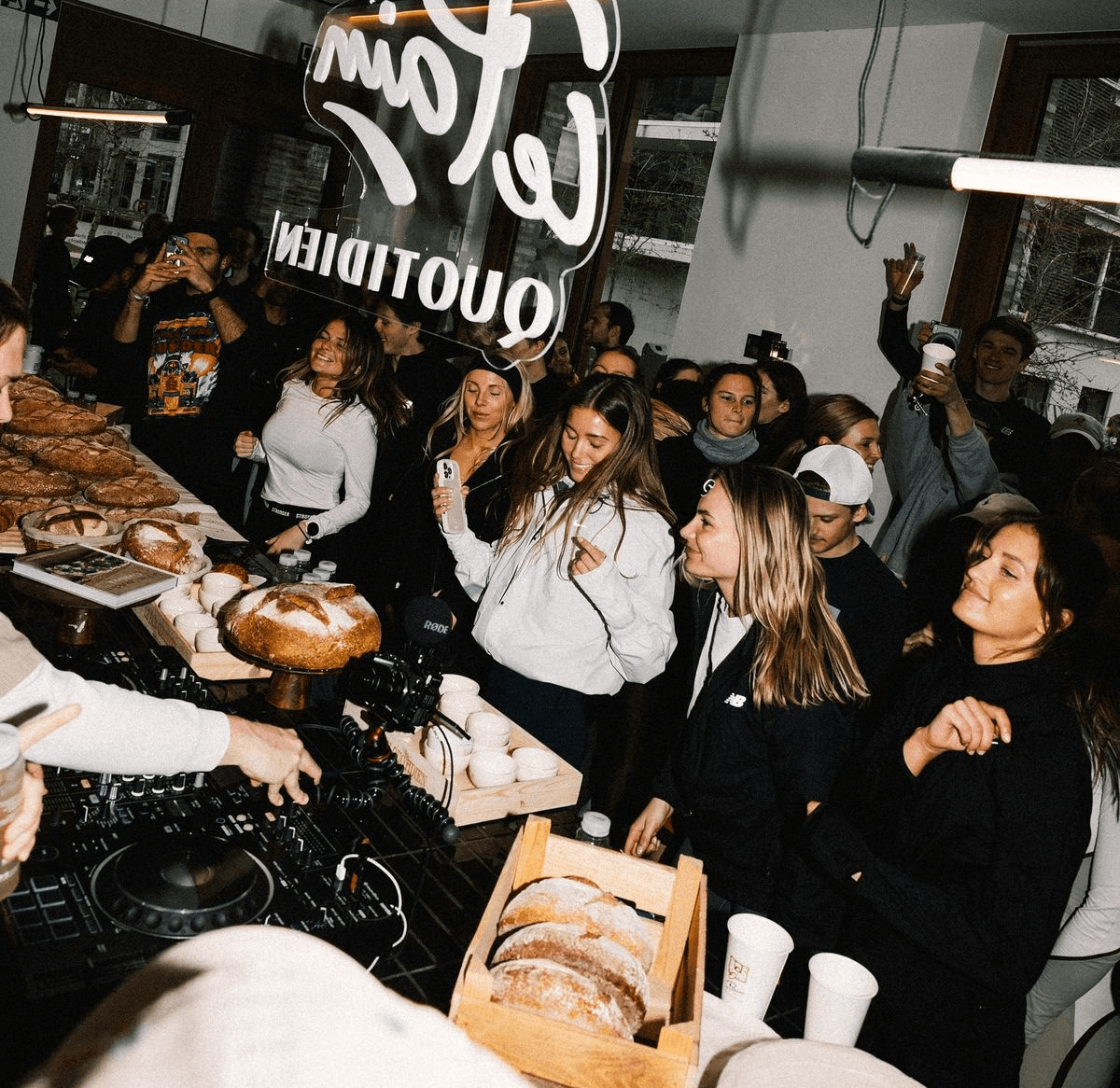
At the heart of soft clubbing is a simple substitution. Caffeine replaces alcohol. But the implications go far beyond what is in the cup. Coffee raves are typically held in the morning or early afternoon, transforming cafés into temporary dance floors. DJs play energetic but accessible sets, often inspired by house, disco, or electronic music, designed to energize rather than exhaust. This shift in timing changes the entire experience. Dancing becomes a way to start the day rather than escape it. Attendees arrive clear headed and present, often without the social armor alcohol provides. Conversations tend to be more intentional, movements more self aware, and connections less performative.There is also a sense of inclusivity. Soft clubbing removes many of the barriers associated with nightlife such as late hours, safety concerns, alcohol centered social pressure, and physical exhaustion. Professionals, creatives, parents, and wellness focused communities can all participate without reorganizing their lives around a night out.While soft clubbing is often linked to wellness culture, its success lies in avoiding moralizing language. These events do not frame alcohol as the enemy or sobriety as a virtue. They simply offer an alternative. You can dance, sweat, socialize, and still leave feeling better than when you arrived. This balance is crucial.
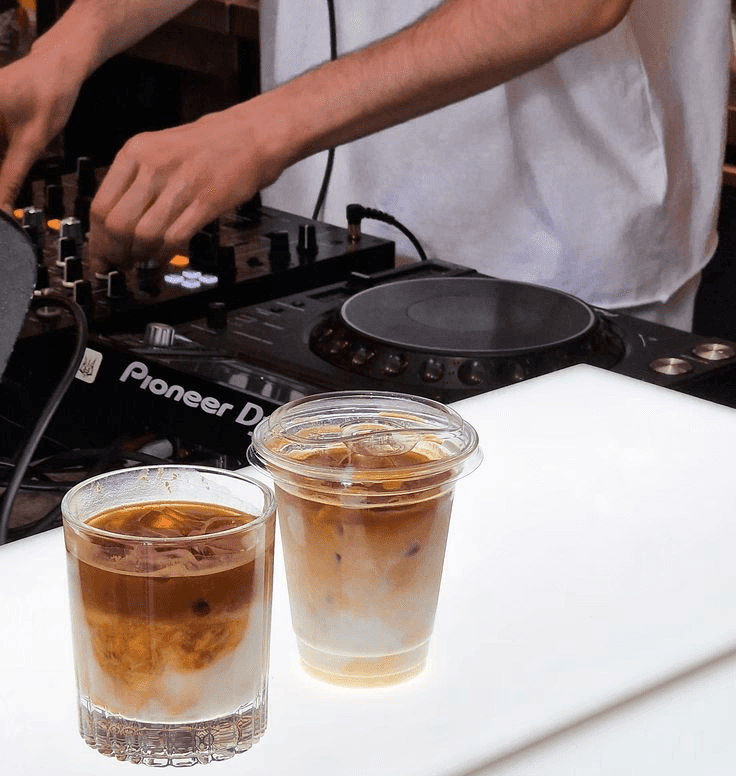
CADENCECPH
CASILDASECASA
It's about enjoying music and movement in a healthier, more conscious way - without the hangover
The rise of soft clubbing has not gone unnoticed by brands, media, and cultural institutions. Cafés gain foot traffic at unconventional hours. Coffee brands align themselves with music, lifestyle, and community. Cities experimenting with daytime culture find new ways to activate spaces that would otherwise remain underused. Media often describes coffee raves as a daytime reinterpretation of nightlife. A phrase that captures both familiarity and novelty. For brands, this format offers visibility without excess and authenticity without controversy. For cities, it represents a more inclusive and sustainable approach to social life. Soft clubbing also reflects a shift in how culture is consumed. Experiences are no longer isolated events but part of a broader routine. A coffee rave can exist alongside work, fitness, creativity, and rest rather than competing with them.
LUCKY STRIDE
Soft clubbing is unlikely to replace traditional nightlife entirely. There will always be a place for late nights, clubs, and cocktails. But its growing popularity suggests that the definition of partying is expanding. As younger generations prioritize health, flexibility, and meaning, social formats will continue to adapt. Coffee raves show that joy does not have to be loud, late, or intoxicating to be powerful. Sometimes it only needs good music, an open space, and a strong cup of coffee. In this sense, soft clubbing is not just a trend. It is a reflection of a broader cultural shift, one where pleasure and responsibility coexist, and where dancing through the day feels not rebellious, but natural.